Gold IRA basics
How a gold IRA actually works
8 min read · Editorial guide
A gold IRA isn't exotic or fringe — it's an ordinary self-directed retirement account that happens to hold physical metal instead of only stocks and funds. Here's the honest, unhurried walkthrough, from the paperwork to the vault.
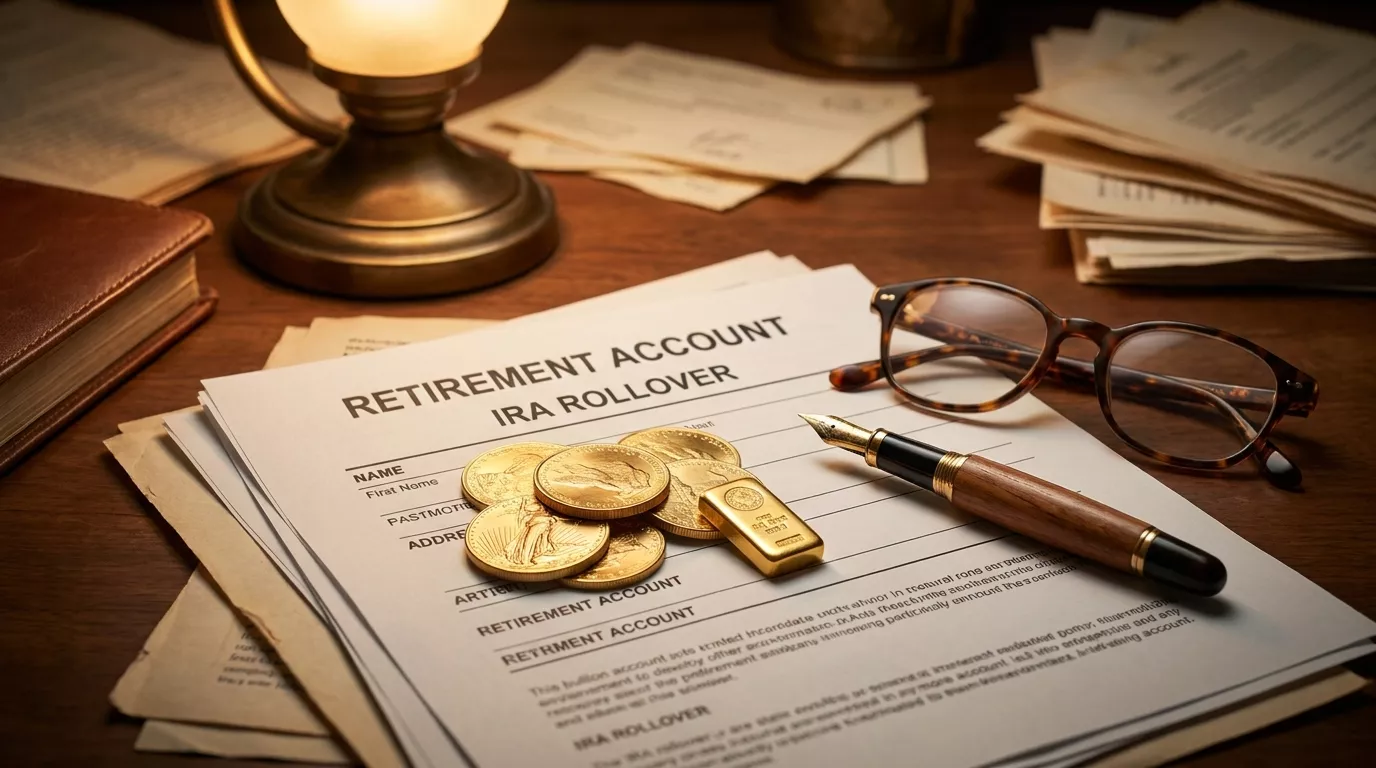
What a gold IRA really is
A gold IRA is a self-directed individual retirement account that can hold IRS-approved physical precious metals — gold, silver, and in some cases platinum and palladium — alongside or instead of conventional paper assets. The tax treatment is the same as any traditional or Roth IRA; what changes is what the account is allowed to own.
The key distinction is the word self-directed. A standard brokerage IRA limits you to securities the broker offers. A self-directed IRA, held by a specialized custodian, lets the account hold alternative assets — including allocated bullion stored on your behalf.
Step one: open a self-directed IRA
You begin by opening a self-directed IRA with a qualified custodian. The custodian is a regulated entity that administers the account, handles reporting, and holds legal title to the metal on behalf of your IRA. You don't take the gold home — under current IRS rules, IRA metals must be held by an approved depository, not in your closet or a home safe.
Reputable dealers partner with established custodians such as Equity Trust, STRATA Trust, or similar. The account setup itself is routine paperwork and usually carries a modest one-time fee.
Step two: fund it — or roll over
You can fund the account two ways. You can contribute new dollars up to the annual IRA limit, or — far more common — you can roll over or transfer money from an existing retirement account.
A direct, custodian-to-custodian transfer from a 401(k), 403(b), TSP, or existing IRA is not a taxable event and triggers no early-withdrawal penalty, because the funds never pass through your hands. This is the mechanism most savers use to move a slice of an old employer plan into metal.
Step three: choose IRS-approved metals
Not every coin or bar qualifies. The IRS sets minimum purity standards — generally 99.5% for gold and 99.9% for silver — and approves specific products such as American Gold Eagles and many bullion bars. A trustworthy partner will only offer eligible metals and should price them transparently against the spot market.
This is where due diligence pays off. Ask for the spread over spot in writing, and be wary of high-pressure pitches toward rare or collectible coins that carry fat markups and aren't always IRA-eligible.
Step four: store it in an insured depository
Once purchased, your metal ships to an IRS-approved, insured depository — commonly Delaware Depository, Brink's, or Loomis. There it is allocated and titled to your IRA, fully insured, and auditable. You can typically choose between commingled and segregated storage, the latter keeping your specific bars and coins set apart.
When you reach retirement age, you can take distributions in cash (by selling metal) or, with some custodians, request an in-kind distribution of the physical metal itself.
What it costs
Expect a few recurring line items rather than a single fee. Typical costs include:
- ▸A one-time account setup fee, often modest.
- ▸An annual custodian or maintenance fee.
- ▸Annual storage and insurance at the depository, sometimes higher for segregated storage.
- ▸The dealer's markup over spot on the metal itself — the figure most worth confirming in writing.
Some firms waive the first year's fees on larger transfers. Always get the full schedule before you commit, and compare it against our company reviews.
Common questions
Can I store gold IRA metals at home?+
No. Under current IRS guidance, metals held in an IRA must be stored at an approved depository. So-called 'home storage IRA' arrangements carry significant risk of disqualification and penalties.
Will rolling over my 401(k) trigger taxes?+
A direct, custodian-to-custodian rollover or transfer is not a taxable event and incurs no early-withdrawal penalty, because the funds never pass through your hands.
Which metals are IRA-eligible?+
The IRS sets purity minimums — generally 99.5% gold and 99.9% silver — and approves specific coins and bars. A reputable dealer offers only eligible products.
This content is for general education only and is not financial, tax, legal, or investment advice. Investing in precious metals carries risk, including loss of principal. Consult a licensed professional before making decisions. Ratings are our independent editorial opinion, not user reviews.